Smartly raised park in Gouda keeps feet dry and trees healthy |
|
|
|
|
 |
| 140 sec |
From soggy park to solid foundation: quality over speed
"Outside the summer you could hardly walk here without getting wet feet," says Daisy van Boven, project manager at SmitsRinsma. The municipality of Gouda therefore opted for a thorough approach: the entire park - plus the surrounding avenue - was raised and redesigned. SmitsRinsma carried out the tree study and translated the preliminary design by landscape architect SB4 into the final design. The execution is in the hands of Multi-Tuin en Landschap.
| The Catalpa that was preserved (image: Astrid den Haan) |
Van Boven explains that the water and height issues were tackled first. "All paths were raised by about 60 centimetres. In some places we created small dikes and shallow basins in the planting beds. That adds relief and helps with drainage." During the work, old layers emerged. "The park opened in 1901. Under some parts of the paths there was as much as one and a half metres of asphalt, sometimes mixed with slag. Removing everything was financially unfeasible. We largely left the asphalt in place and only removed it near culverts. With that saving, you can raise parts again in the future where needed."
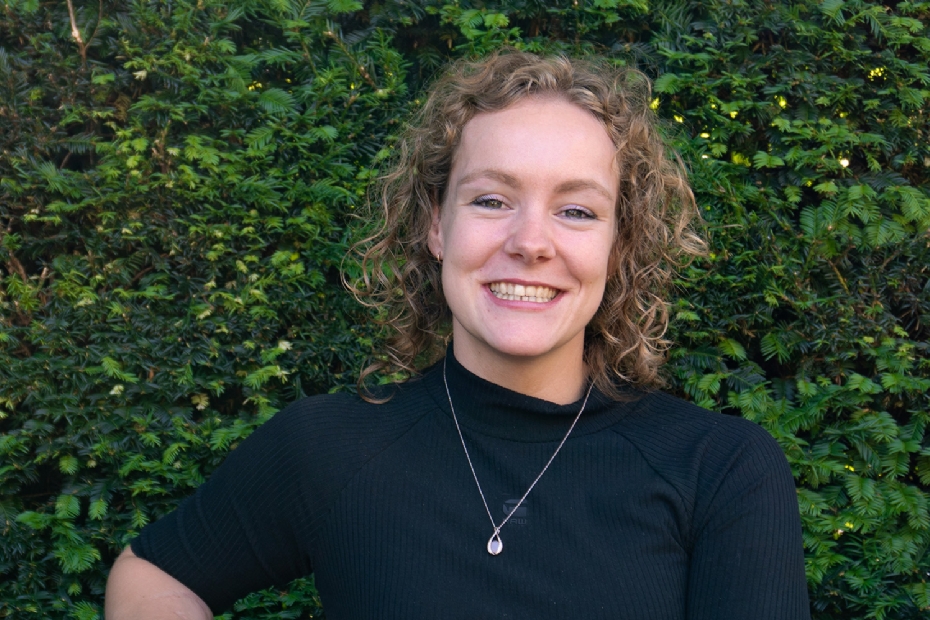 | | Daisy van Boven |
|
|
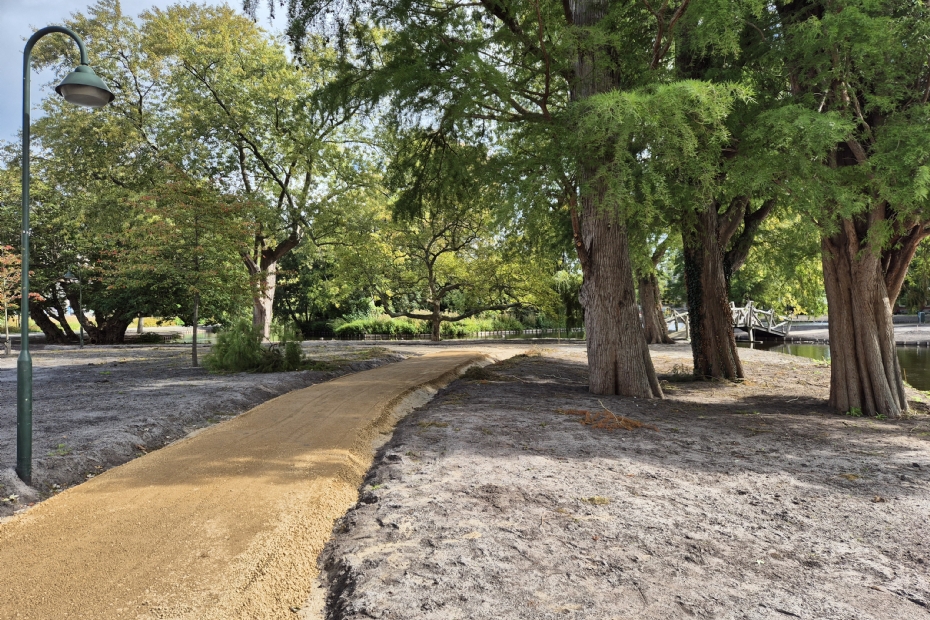 | | Installation of Padvast (image: SmitsRinsma) |
|
|
Tree preservation as a starting point
Monumental trees were given priority. "We deliberately looked at which species can tolerate being raised. Species from floodplains, such as willow, walnut and especially Taxodium, cope better with that," Van Boven explains. Around existing trees, light, permeable tree soil was used. "This prevents stem rot and compaction. The old top layer was removed and reseeded, so no disturbing layers remain."
|
|
"We did not choose one mix per bed, but groups of a single species in two to three square metres, alternated with other species and bulbs"
| |
|
Bridal plane tree given room to grow
A special case is the iconic "bridal plane tree" near the bridge. "You could see root heave in the paving: that tree was telling us it wasn't okay," says Van Boven. "We rerouted the path, aerated and fertilised the growing site and installed a sandwich panel beneath the paving. That increases underground growing space without a deep foundation." The felling permit was substantiated with maps showing the reason per tree: vitality, new layout or effects of the raising. "Where preservation was possible, we chose that. An old trumpet tree (Catalpa) will remain at the request of residents."
Planting like in the past
The planting plan also received a lot of attention. "We did not choose one mix per bed, but groups of a single species in two to three square metres, alternated with other species and bulbs. Essentially the way gardeners used to plant in the past. That brings calm and looks natural." In the detailed design, the paths were slightly widened, for better usability and to restore their former width.
Play area became a game of Tetris
The play area was a technical puzzle. "We wanted to reinstall the existing equipment within all fall zones while also protecting the root zones," says Van Boven. "The outline was adjusted to spare a large Taxodium. It really was Tetris: shifting until everything fit."
|
|
"The completion date was shifted from 31 December to 31 March, because that is better for quality"
| |
|
Residents actively involved
Resident participation ran like a common thread through the project. "We organised tree walks and explained with drawings on the table which trees had to be removed and why," Van Boven explains. "That creates understanding, and sometimes the design is adjusted." The historical wind rose was originally planned to be removed and restored, "but residents said: if you lift it, it will fall apart. That is why we restored it in place." The influence of residents was also evident in the preservation of the Catalpa. "They were determined to keep it. That wish was honoured."
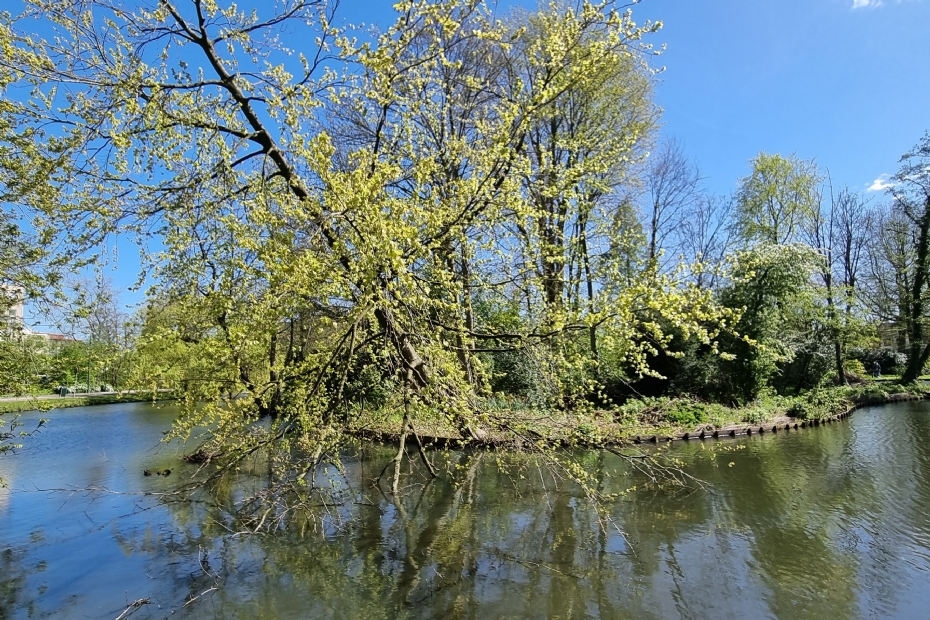 | | Old situation - islands (image: SmitsRinsma) |
|
|
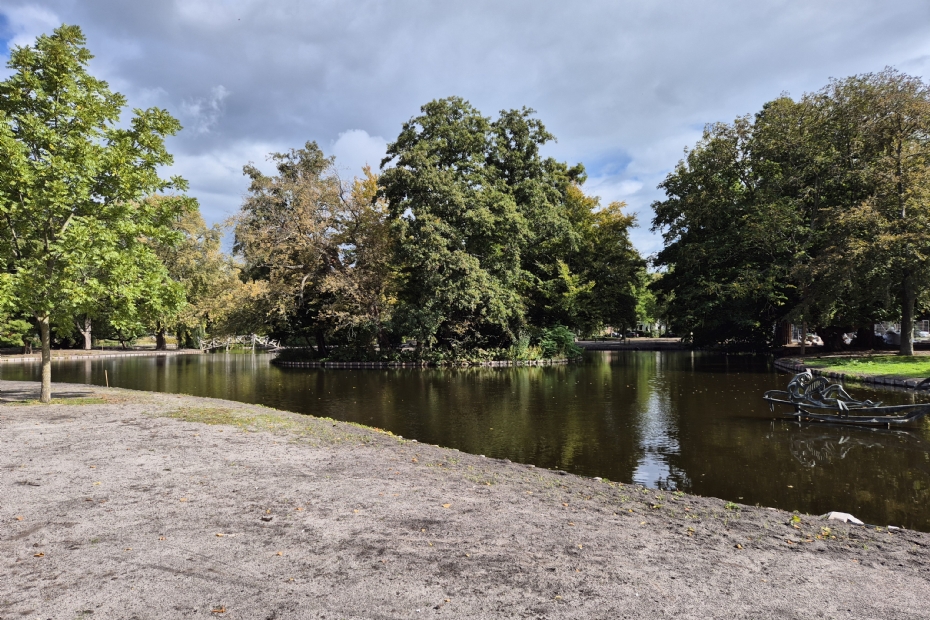 | | New situation - islands (image: SmitsRinsma) |
|
|
Better later, but good
The schedule was adapted to the planting season. "We shifted the completion date from 31 December to 31 March. Not because the schedule was unachievable, but simply because it is better for quality." The execution started at the end of July. "The neighbourhood is already enthusiastic," says Van Boven. "People will mainly notice the big difference in winter: you can finally walk through the park with dry feet."
|
|
"We wanted to reinstall the existing equipment within all fall zones while also protecting the root zones"
| |
|
| LOG IN
with your email address to respond.
|
|
|
| There are no comments yet. |
|
| |
Anyone can place small ads for free through their own account.
Place a free ad
|
|
|
|





