Invasive alien species on the rise: costs run into the millions |
|
|
|
|
 |
| 77 sec |
Municipalities and water authorities feel the pressure most
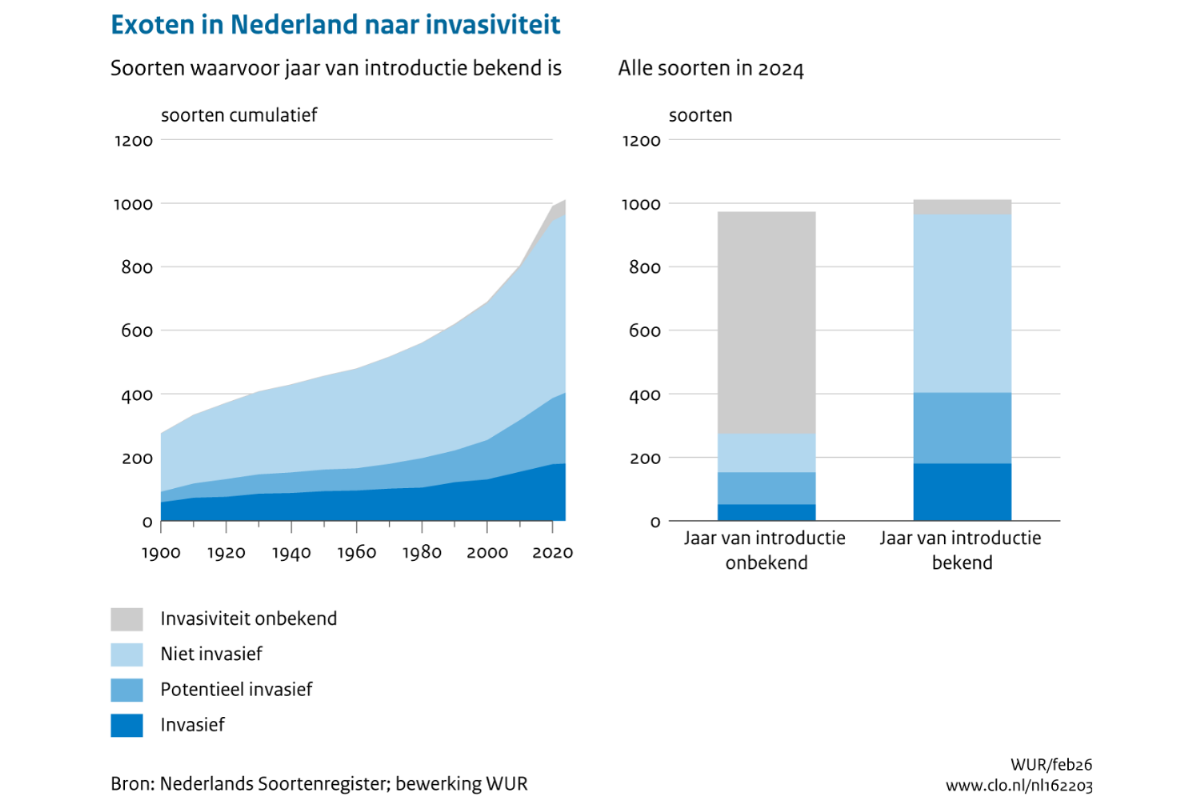
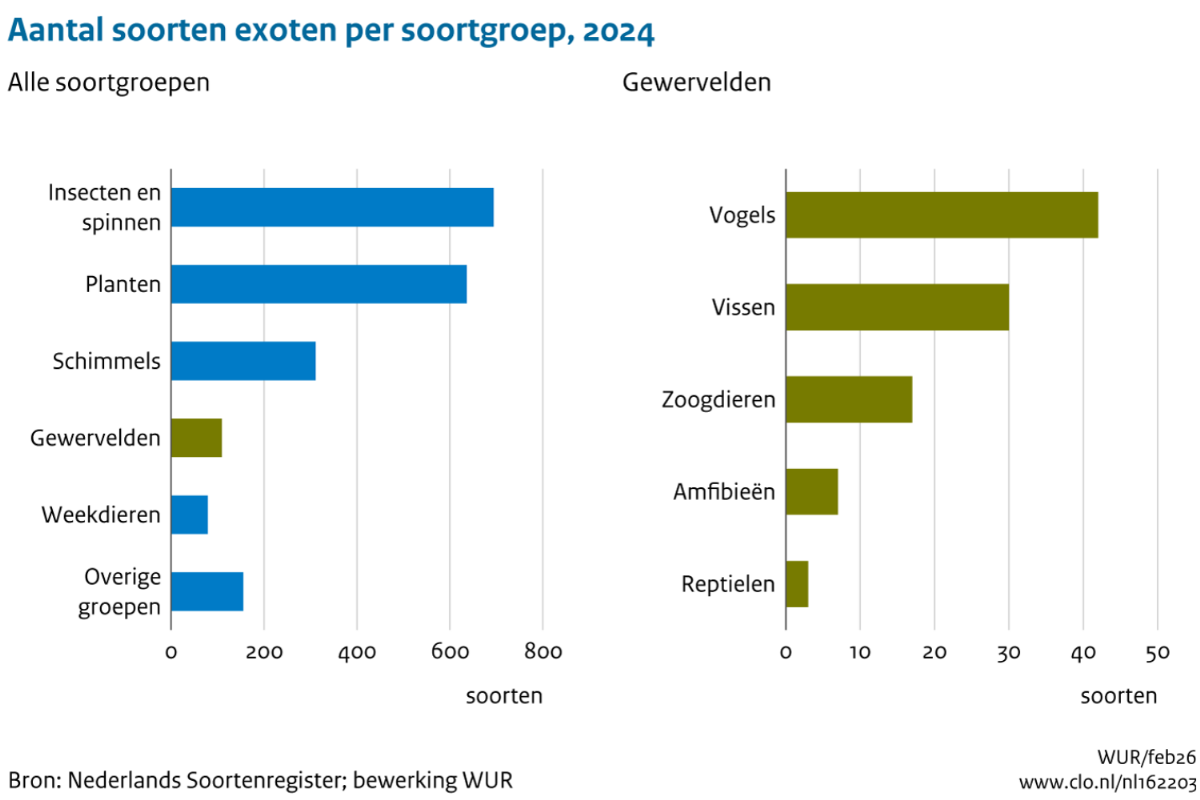
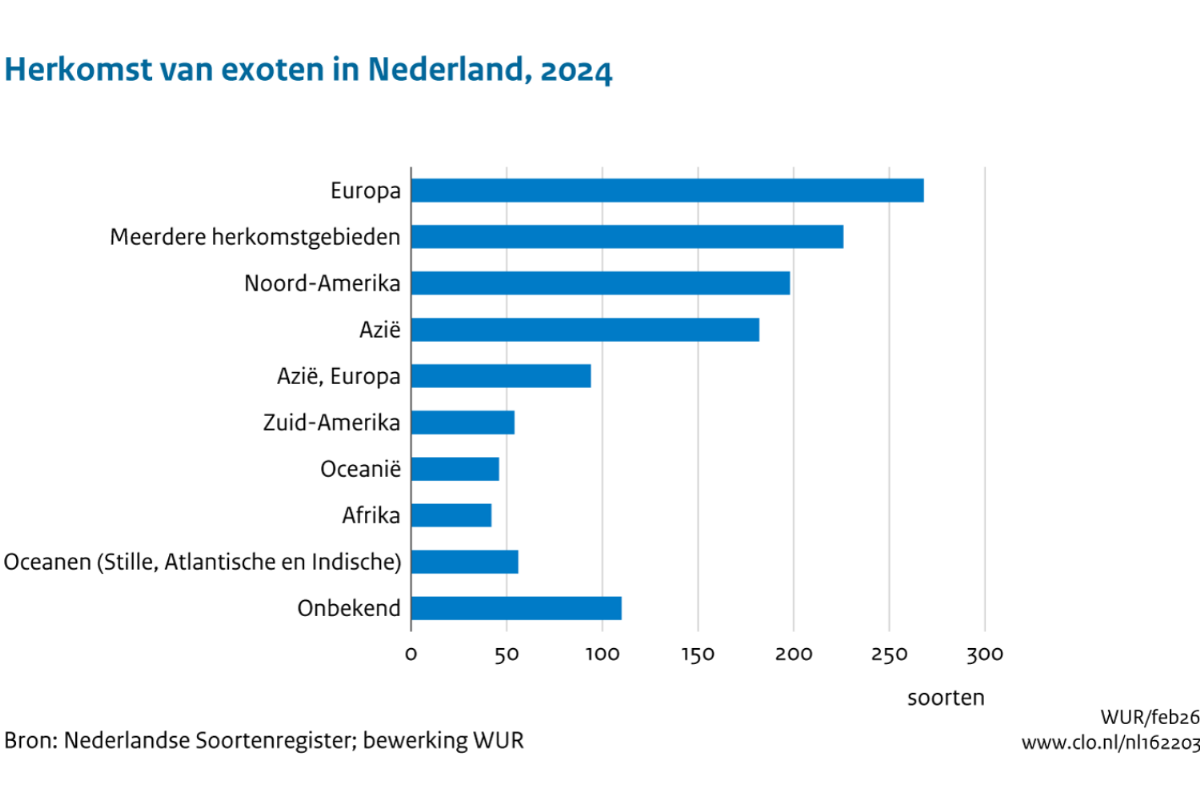
The number of invasive alien species in the Netherlands has been increasing for years. Especially over the past forty years, this growth has accelerated. These are mainly insects and plants that arrive through trade and transport, often originating from Europe, North America, or Asia. These species can cause damage to nature, infrastructure, and public space. Total costs are difficult to determine but are clearly rising.
| The invasive alien species floating pennywort in the Zandlei (archive photo NWST) |
A national estimate from 2005 put the annual damage caused by alien species at between 1.3 and 2.2 billion euros. This included the costs of control measures and damage caused by non-native diseases. Recent, comprehensive figures are lacking, but individual expenditures give an indication of the scale. Water authorities spend around 42 million euros annually on controlling muskrat and coypu populations. For invasive aquatic plants, such as floating pennywort and water primrose, an additional 3.3 million euros per year is spent.
|
|
A national estimate from 2005 put annual damage caused by alien species at 1.3 to 2.2 billion euros, but exact figures are lacking
| |
|
Provinces and municipalities take action
Provinces are also investing heavily. Between 2018 and 2023, they spent at least 40 million euros collectively on tackling invasive alien species. In their ambition plans, provinces estimate costs of more than 143 million euros over four years. A large part of the implementation lies with municipalities and green contractors, for example in road verges, waterways, and urban green spaces.
New national action plan
In January 2026, the Ministry of Agriculture, Fisheries, Food Security and Nature presented a national action plan on invasive alien species. This plan includes stricter measures than European regulations, such as a possible national trade ban and faster removal of problem species that are not (yet) on the European list. Agreements have also been made on priorities per species.
Successful control, but vigilance remains necessary
In recent years, several invasive species have been successfully eradicated, including the American bullfrog in Limburg and Pallas's squirrel in Weert. However, individual animals still occasionally reappear. This underlines the importance of continued vigilance in the management and maintenance of public spaces.
|
A large part of the implementation lies with municipalities and green contractors, for example in road verges, waterways, and urban green spaces
| |
|
Alien species in the Netherlands, 1900-2024
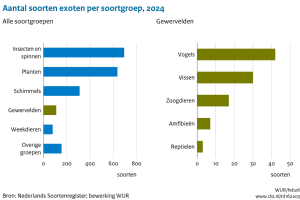
Number of alien species per taxonomic group
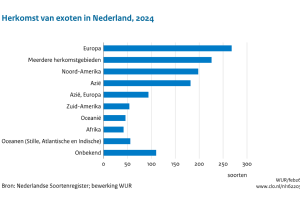
Origin of alien species in the Netherlands
|
This article was first published on February 5, 2026, on the Stad + Groen website.
| LOG IN
with your email address to respond.
|
|
|
| There are no comments yet. |
|
| |
Anyone can place small ads for free through their own account.
Place a free ad
|
|
|
|