Trees for the Future congress: 'The future of trees is becoming less black and white' |
|
|
|
|
 |
| 244 sec |
Debate on native, non-native and invasive species shifts towards climate resilience, biodiversity and function
On a tropical summer day on 18 June, around 150 tree professionals gathered at BOOT & DART for the Trees for the Future symposium, organised by the NDV and KVBC in cooperation with Boomzorg magazine. The central question of the day was: Which trees should we plant in the future? No definitive answer emerged. However, a clear common thread became apparent: the discussion about future trees can no longer be reduced to simple oppositions such as native versus non-native or invasive versus non-invasive. Climate change, biodiversity, growing conditions and management all require a more nuanced approach.
| Trees for the Future congress |
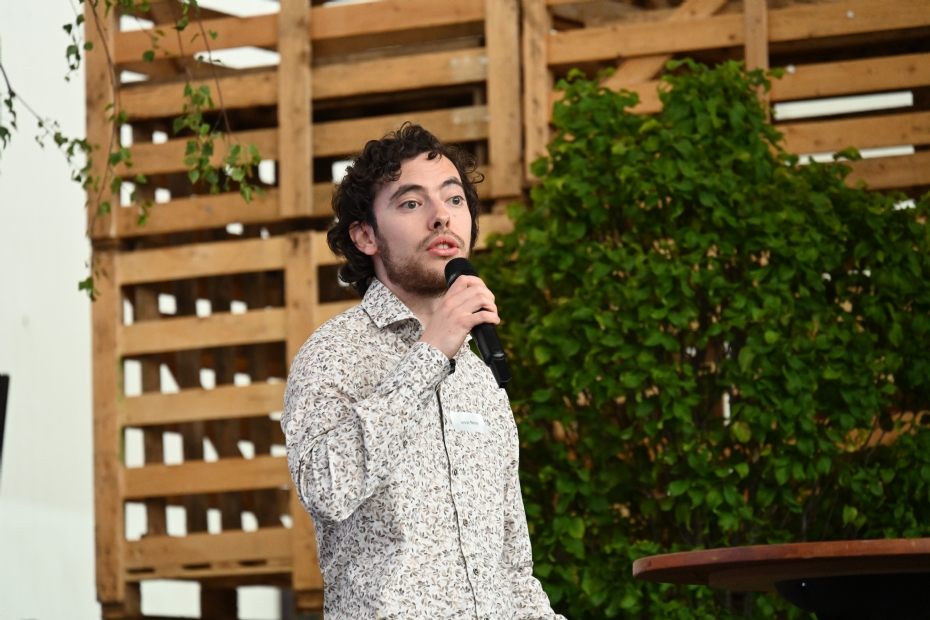 | | Jesse Beyer NVWA |
|
|
From regulations to risk management
Jesse Beyer of the NVWA opened the day with an overview of European regulations concerning invasive species. He distinguished between newly emerging invasive species, for which rapid eradication is mandatory, and species that are already widely established. For the latter category, the focus is mainly on management and limiting damage. Beyer demonstrated that regulations and practical control measures do not always align. Moreover, not all problematic species are included on European lists. His message was clear: do not focus solely on the origin of a species, but also consider risks, dispersal potential and the location where a tree is used.
|
|
'Not every non-native species is invasive, but climate change can alter the rules of the game.'
| |
|
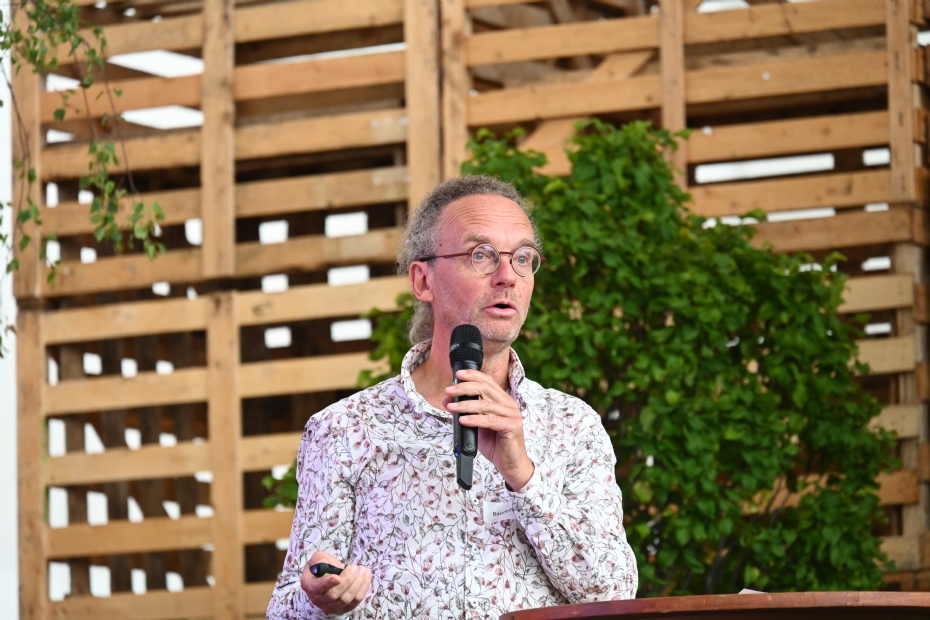 | | Baudewijn Odé of Floron |
|
|
A cautious approach from a biodiversity perspective
Baudewijn Odé of Floron represented a distinctly different perspective. According to him, native species remain the most important building blocks for biodiversity. They are often linked to hundreds of insect, fungal and animal species with which they have co-evolved over thousands of years. Odé warned that invasive species are often only recognised as problematic once they have already become established. He therefore advocated caution when dealing with species known to spread easily. In his view, climate resilience should never be the sole selection criterion.
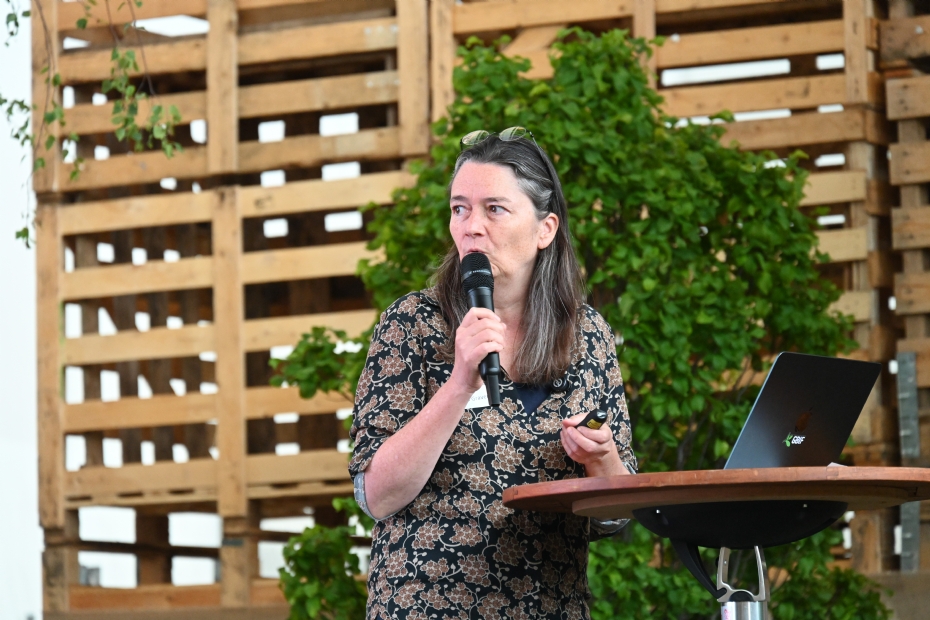 | | Barbara Gravendeel, Hortus Botanicus Leiden |
|
|
|
|
'Those who place biodiversity at the centre of their decision-making will often still end up choosing native species.'
| |
|
Climate change requires new choices
Barbara Gravendeel of Hortus Botanicus Leiden focused on the impact of climate change on tree populations. Species such as beech are increasingly struggling in urban environments due to heat, drought and salinity. Within the CSI Trees research programme, efforts are therefore being made to identify species that are better suited to tomorrow's climate.
Gravendeel advocated a form of assisted migration, in which species from regions with a climate resembling future local conditions are carefully tested. According to her, evaluation should not focus solely on survival rates but also on ecological impacts.
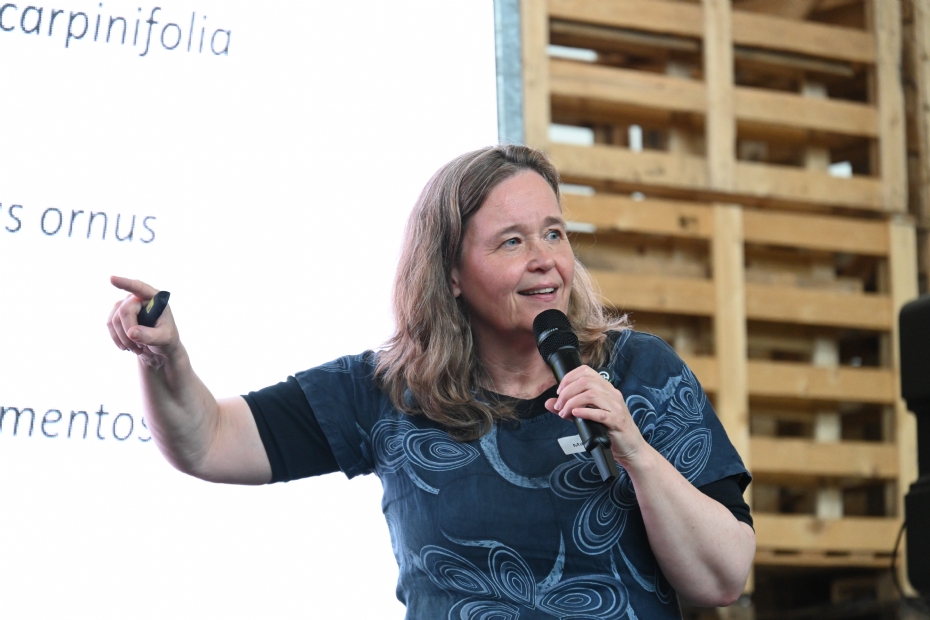 | | Margareth Hop of BOOT & DART |
|
|
From theory to practice
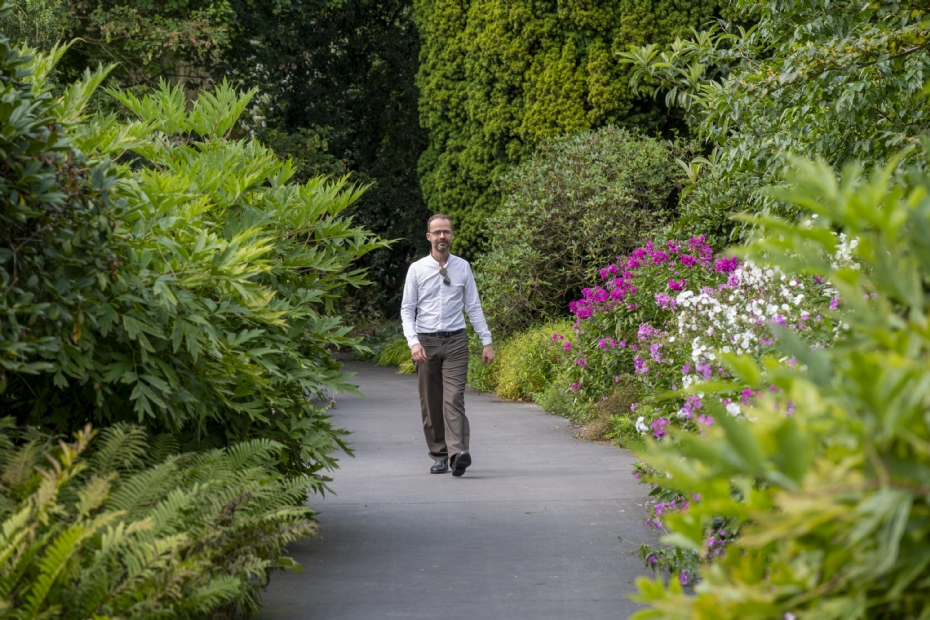
After the more philosophical and ecological discussions, tree breeder Margareth Hop of BOOT & DART brought the debate back to the daily reality of growers and managers. Trees being bred today will only become part of the streetscape decades from now. According to Hop, future cities will require trees that are more resilient to drought, flooding, diseases and restricted rooting space. She also called for greater use of resistant cultivars and a broader range of species. Furthermore, she showed that biodiversity is not exclusively dependent on native species. Research suggests that related non-native species can also make an important contribution to insect populations. Hop noted that the sector makes insufficient use of existing knowledge on disease resistance, which could help reduce the need for crop protection products. For example, Fraxinus excelsior 'Diversifolia' and F. excelsior 'Geesink' have been shown to be less susceptible to ash dieback. Nevertheless, demand remains limited because clients often continue to prefer familiar species and varieties.
 | | Abraham Rammeloo of Arboretum Kalmthout |
|
|
Arboreta as living laboratories
Abraham Rammeloo of Arboretum Kalmthout demonstrated how significantly the climate has already changed over recent decades. Species that were once regarded as container plants or insufficiently hardy are now thriving outdoors in the Netherlands and Belgium. He cited Magnolia grandiflora, Albizia, Nandina, Koelreuteria, holm oak and even Sequoia sempervirens as examples of species adapting remarkably well to current conditions. At the same time, he warned that not every newcomer becomes a success story and that some species prove too aggressive. According to Rammeloo, arboreta therefore serve as important testing grounds for the future. They have accumulated decades of experience with species that may play a greater role in tomorrow's tree population.
|
|
'Many species we once thought would never grow here are now performing extremely well.'
| |
|
A critical view of invasive species
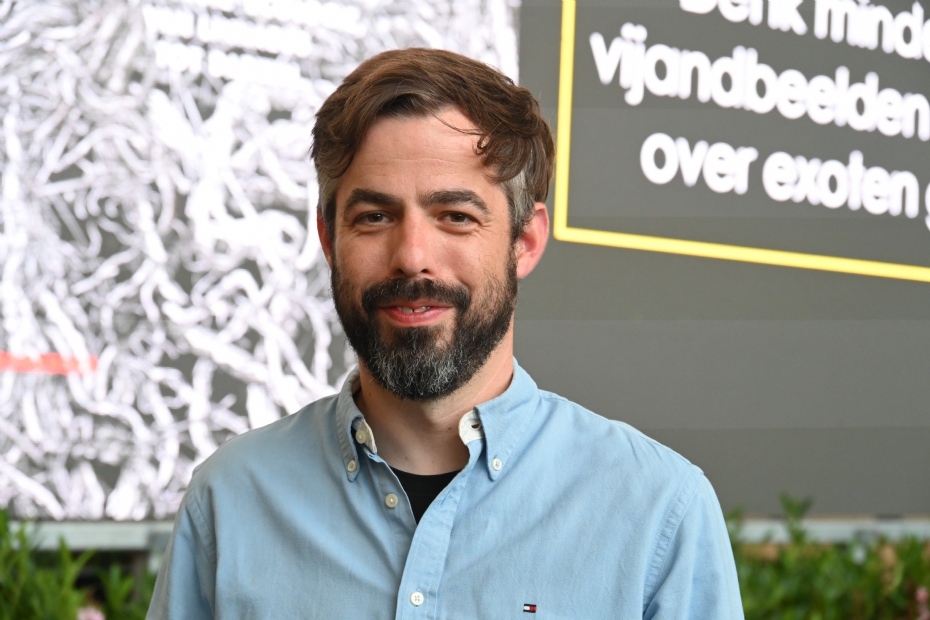
Nico D'Hamers of PAN Boomverzorging questioned the dominant narrative surrounding invasive species. According to him, discussions often focus too heavily on the origin of species, while larger issues such as climate change, nitrogen deposition and habitat loss are at least as important for biodiversity. Drawing on examples from various European countries, he showed that species such as tree of heaven often establish themselves in locations that are already disturbed. Rather than focusing exclusively on the species itself, he argued that more attention should be paid to the ecological role these pioneer species play. His contribution sparked one of the sharpest debates of the day and highlighted the continuing differences in opinion regarding non-native species.
 | | Botanical philosopher Norbert Peeters of Wageningen University & Research |
|
|
From enemy thinking to understanding species behaviour
Botanical philosopher Norbert Peeters of Wageningen University & Research questioned the sharp distinction between native and non-native species. In a historical overview, he showed that many species now considered problematic were once deliberately introduced and actively recommended. For example, black cherry was initially praised as a useful forestry species, while numerous exotic trees were introduced to Europe during the nineteenth century for forestry, landscape design and garden architecture.
According to Peeters, species should not primarily be judged by their origin, but by their behaviour and ecological effects. He also warned against the use of overly militaristic language in discussions about invasive species, where terms such as 'battle plan', 'invader' and 'enemy' can influence the debate. In a world where people have been moving plants and animals across the globe for centuries, the distinction between native and non-native species is, in his view, less clear-cut than is often assumed.
|
|
'The question is not only where a species comes from, but above all what that species does.'
| |
|
Forests require different choices than cities
Bas Lerink of Wageningen University & Research concluded the day with findings from the Dutch National Forest Inventory. These show that the composition of Dutch forests is far more stable than is often assumed. Scots pine, oak and birch still dominate forest landscapes. However, tree mortality is increasing, and the dry years between 2018 and 2022 clearly affected growth. Nevertheless, long-term growth data indicate that native species such as oak and beech continue to demonstrate considerable resilience. Lerink therefore warned against making hasty decisions to replace existing forest species. At the same time, he sees opportunities for experimentation with new species, particularly in multifunctional forests where timber production also plays a role.
One conclusion, many nuances
Although the speakers sometimes appeared to hold opposing views, a striking point of agreement emerged by the end of the day. Almost nobody advocated a rigid choice for exclusively native or exclusively non-native species. There is probably no single tree of the future. Instead, the future lies in a carefully composed assortment in which biodiversity, climate resilience, growing conditions and management jointly determine which tree is best suited to a particular location.
This article was previously published on 20 June 2026 on the Boomzorg website.
| Boot & Dart Boomkwekerije... | |
| NDV Nederlandse Dendrolog... | |
| Koninklijke Vereniging vo... | |
| Wageningen University and... | |
| |
| LOG IN
with your email address to respond.
|
|
|
| There are no comments yet. |
|
| |
Anyone can place small ads for free through their own account.
Place a free ad
|
|
|
|





