Demand for organically grown planting material is rising, but supply cannot always keep up |
|
|
|
|
 |
| 210 sec |
'Seven years ago, we couldn't give Skal-certified plants away. Now municipalities insist on having them'
Organically grown trees and plants are gaining ground, but the reality is proving complicated. Not every desired species is available, and municipal requirements do not always match what nurseries can supply. Demand for sustainable production is growing, but can growers and traders keep up?
| On this Skal-certified plot at Van den Berk, 450 trees are being grown for Rotterdam |
Demand for Skal-certified planting material appears to have increased in recent years. While nurseries previously struggled to sell organically grown trees and plants, some municipalities are now specifically requesting them. Organic production can give suppliers an advantage in public tenders. This creates new opportunities for growers, although growing interest does not always translate into additional orders. Moreover, producing sufficient organic planting material takes time.
|
|
'There is more interest in organic production, but this does not always translate into actual orders'
| |
|
Suddenly, they do want it
'Seven years ago, we couldn't give Skal-certified plants away. Now municipalities insist on having them,' says Henk Huijsman of Laxsjon Plants, a supplier of woodland and hedging plants. According to Huijsman, Amsterdam now purchases substantial quantities. If the desired assortment is unavailable, the municipality is sometimes prepared to postpone its purchase. 'If it's not available now, they're willing to wait another year.' This development is also reflected in Amsterdam's procurement policy. In 2026, the municipality issued a cultivation contract with an estimated value of €4.8 million for plants demonstrably grown using cleaner production methods. Both Skal and MPS-GreenerGrown certification are accepted. The municipality also takes into account species and sizes that will only become available several years from now.
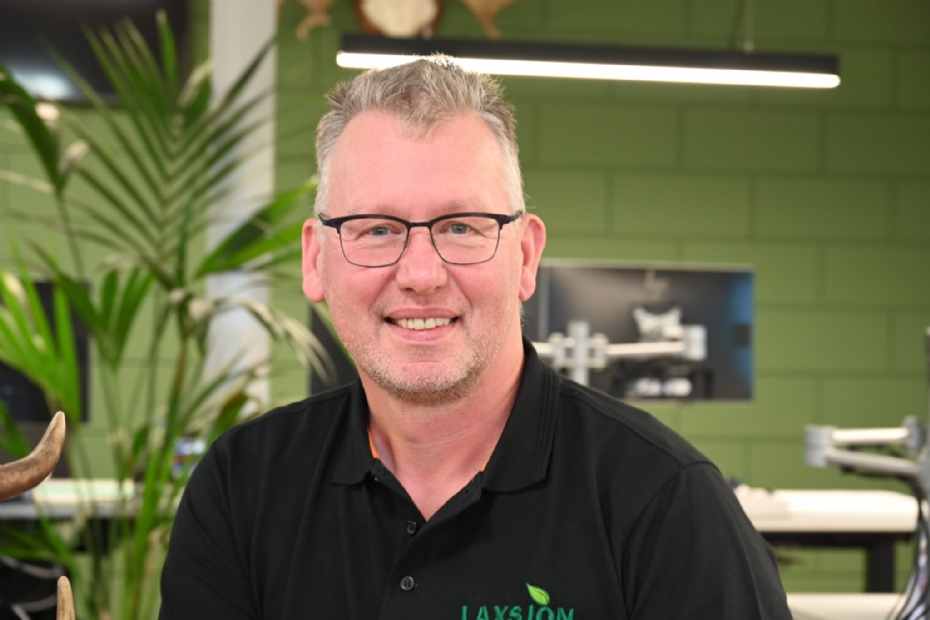 | | Henk Huijsman |
|
|
Frank Rijkers of Van den Berk Nurseries, which has held Skal certification for production and trading for more than ten years, has also noticed a change in demand. 'We spent years trying to put organic production on the agenda. There was plenty of discussion, but in the end, price usually determined the decision.' Rijkers now sees municipalities requesting organic planting material more frequently. However, this does not necessarily mean that interest leads to additional orders. 'There is more interest in organic production, but this does not always translate into actual orders.'
Skal certification earns points. But does it win contracts?
M. van den Oever Tree Nursery in Haaren uses organic growing methods on approximately 35 hectares. For Jeroen van den Oever, both production methods and economic considerations play a role. His nursery is situated between two nature reserves. He wants to produce responsibly and minimise employees' exposure to chemical plant protection products. 'We also believe there is money to be made.' According to Van den Oever, organic production is becoming increasingly important in public tenders. He cites Utrecht and The Hague as examples of municipalities where organically grown planting material can provide an advantage in the tender evaluation process. 'If you can supply more organic material, you receive a higher score when your bid is assessed.'
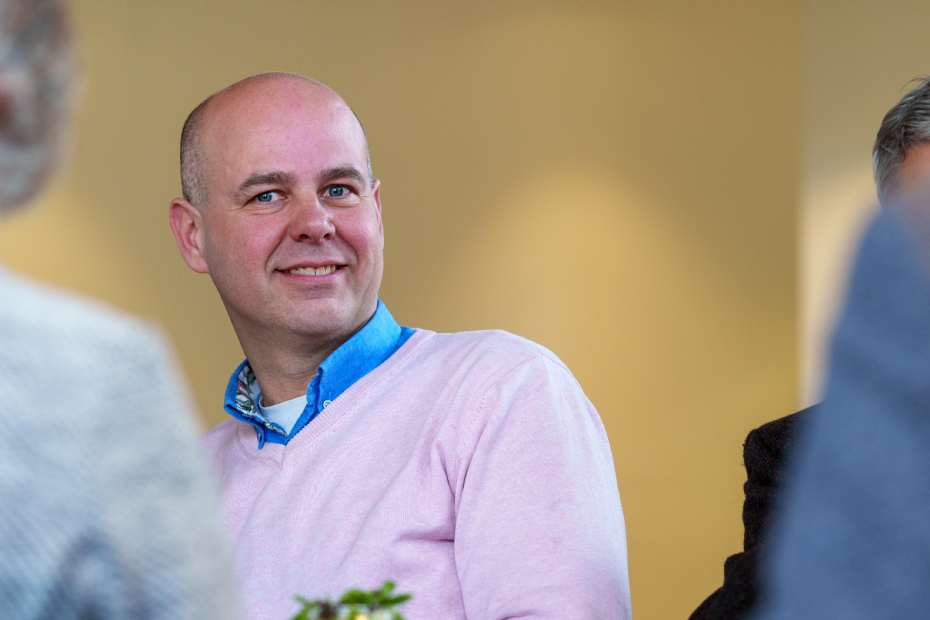 | | Jeroen van den Oever |
|
|
Supply and demand do not always match
One major obstacle is the time required to produce trees organically. Municipalities can change their procurement policies relatively quickly, but nurseries need several years to develop the desired assortment. 'Until last summer, they were ordering conventionally grown trees, and suddenly everything has to be organic,' says Rijkers. 'But it doesn't work like that. You have to give growers time to respond.' According to Rijkers, multi-year agreements could offer a solution. 'Municipalities often know years in advance which trees they will need. Why not plan together with growers? That would allow us to produce specifically for their requirements.'
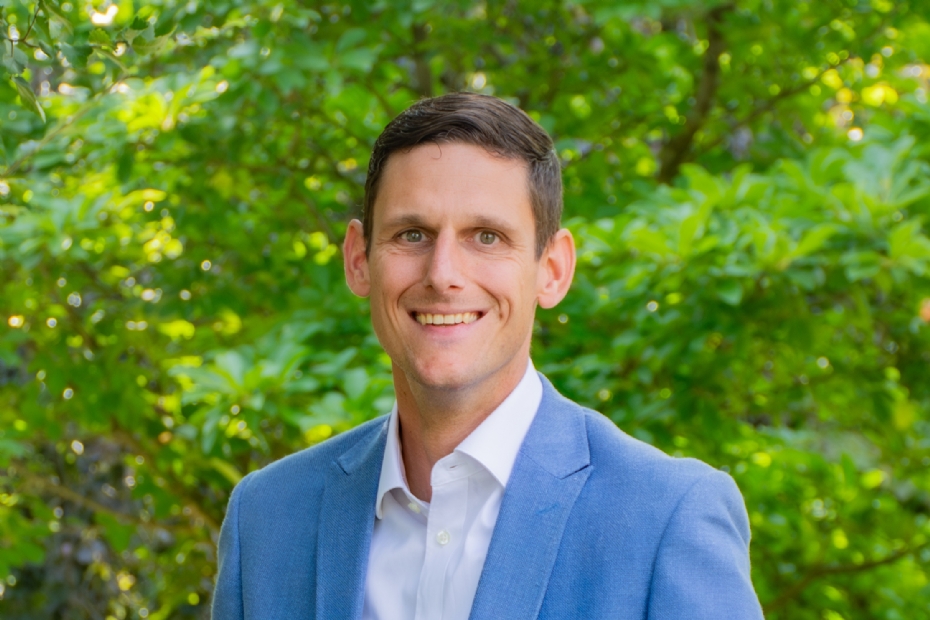 | | Frank Rijkers |
|
|
Targeted production through long-term cooperation
This is already happening with the municipality of Rotterdam. Van den Berk is growing 450 trees for the municipality on a Skal-certified plot, with delivery scheduled for several years from now. 'Trees aren't Milky Way bars. You can't order them today and produce them tomorrow.' Besides production time, the availability of specific species and sizes is another challenge. Van den Oever has an organic assortment but cannot always source every requested tree from other organic growers. 'If a municipality wants a particular tree that isn't available organically, we have to purchase a conventionally grown one. Otherwise, we lose the contract.'
|
|
'If a municipality wants a particular tree that isn't available organically, we have to purchase a conventionally grown one'
| |
|
Huijsman also encounters clients who consider organic production more important than obtaining a particular species. They are willing to adapt their requirements to what is available. 'If a certain species isn't available organically, but we still have spindle, for example, they say: then we'll take spindle.'
A certificate does not grow trees
The problem begins with the propagation material itself. Van den Berk produces some of its own propagation material for organic cultivation, while Van den Oever purchases it from specialist suppliers. However, organic propagation material is far from always available. Under certain conditions, growers can obtain permission to use non-organic propagation material. Converting to organic production also takes time and money. The role of trading companies also deserves attention. A company can be Skal-certified for trading without producing organic plants itself. Such certification allows companies to trade organic planting material within the applicable regulations, but it says nothing about the quantity of products actually available. Traders therefore remain dependent on organic production by nurseries. 'As a trader, you obviously need to be able to source organic planting material,' says Rijkers. 'We should also take a closer look at ourselves. How can we make sure supply and demand are better aligned?'
|
|
'We should also take a closer look at ourselves. How can we make sure supply and demand are better aligned?'
| |
|
The organic market continues to develop
Huijsman has noticed that Skal-certified growers in his market segment can now obtain better prices and sell their products more easily than they could a few years ago. At the same time, opportunities vary between companies and product groups. Particularly for nurseries offering a broad assortment, the availability of propagation material and the need to purchase additional stock can create limitations. Rijkers does not expect a sharp divide between certified and non-certified companies to emerge in the short term. However, he does see growing changes in the conditions facing nurseries. 'Pressure to reduce the use of plant protection products is increasing. At the same time, more and more opportunities are emerging to grow plants differently.'
This article was previously published on 17 November 2026 on the Boom in Business website.
| Van den Berk Boomkwekerij... | |
| Boomkwekerijen M. van den... | |
| |
| LOG IN
with your email address to respond.
|
|
|
| There are no comments yet. |
|
| |
Anyone can place small ads for free through their own account.
Place a free ad
|
|
|
|


