The right tree, now and twenty years from now |
|
|
|
|
 |
| 151 sec |
Planting a tree means thinking ahead
A tree may be exactly what the customer is looking for when a garden is landscaped. But ten years later, it may have grown too large, take up too much space or be difficult to prune. The tree may still be perfectly healthy, but no longer meet the customer's expectations. How can landscapers prevent this?
| Pinus sylvestris 'Windflüchter' is particularly suitable for topiary |
Martien Mantje, managing director of tree nursery Boom & Bonheur, regularly encounters this situation. A customer had a tree planted years ago, but it no longer suits the garden. 'The tree may still be perfectly healthy, but no longer meet expectations,' he says. 'You then need to consider the available options: pruning, transplanting or removing the tree altogether. The latter two are particularly drastic solutions that you would rather avoid. That is why it is important to consider the tree's mature size and the options for maintaining its desired shape when designing the garden.'
|
|
The distance between trees also deserves attention
| |
|
According to Mantje, choosing the right tree starts with the available space, its growth habit and the customer's wishes. A park-like garden often has room for a tree that grows to a substantial size. In a small garden, where there may only be room for one tree, the choice requires greater care. A columnar tree can be a solution, as it remains relatively narrow. 'The distance between trees also deserves attention. If they are planted too close together, they can restrict each other's growth.'
Cutting back and controlling growth
'A species' tolerance of pruning also plays a role,' says Teije de Haan, account manager at Boom & Bonheur. 'With some Pinus species, you can limit growth by shortening young shoots at the right time. Cutting back hard into old wood is generally not an option with pines. Nowadays, some tree species are also grown in shrub form. Crataegus persimilis and Crataegus crus-galli are good examples. These can also be pruned into shape. Carpinus betulus can likewise be cut back and kept small.'
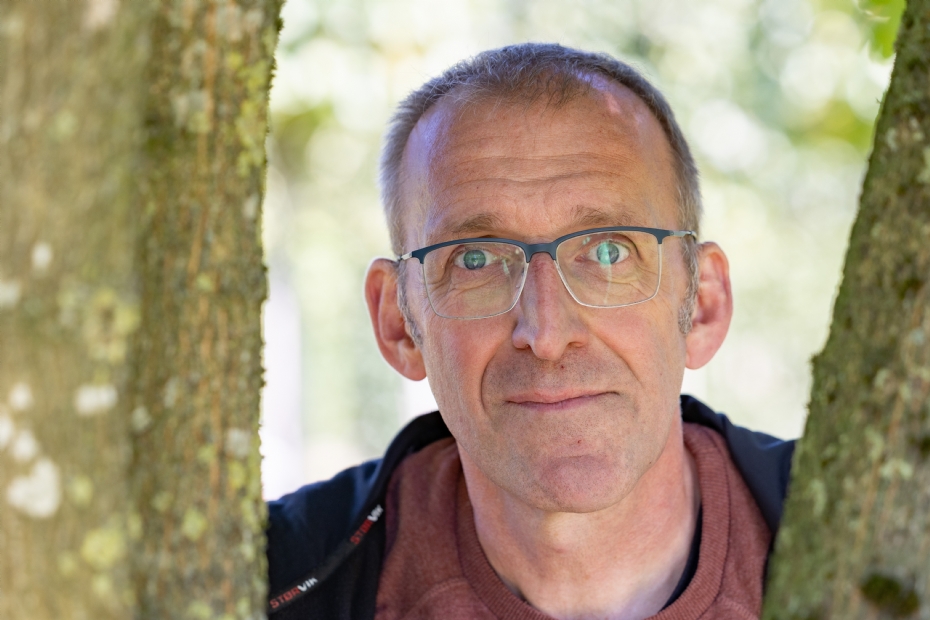 | | Teije de Haan |
|
|
According to De Haan, species suitable for hedging are also worth considering, such as Prunus spinosa, Acer campestre, Taxus baccata and Cornus mas. 'The choice depends on the available space, the desired mature appearance and the amount of maintenance the customer is willing to carry out. Native species can also contribute to local ecology and biodiversity.' When choosing a tree, customers often focus primarily on its appearance, such as leaf colour or blossom. However, according to De Haan, the structure of the tree, its impact on the surrounding space and soil conditions are equally important.
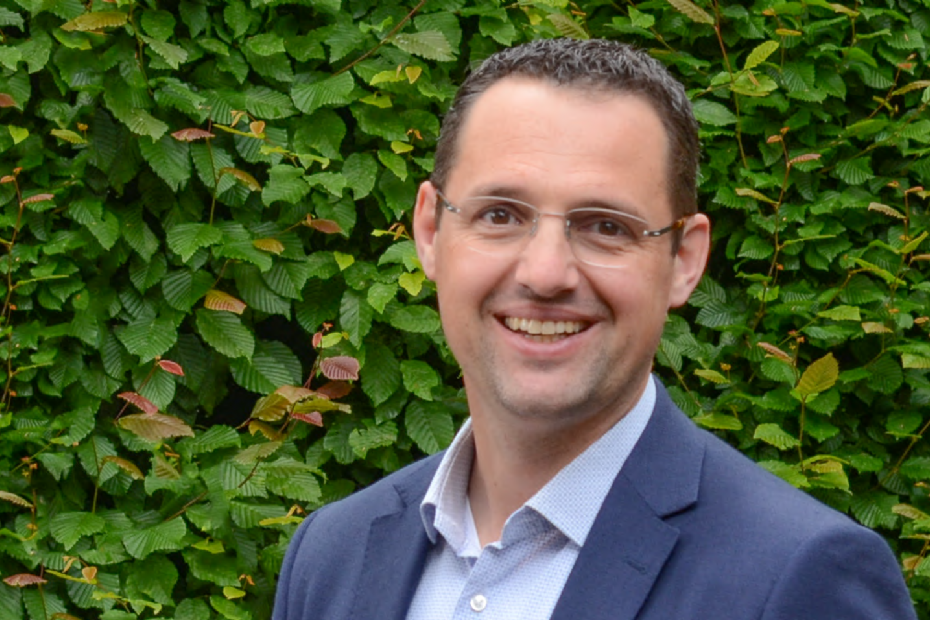 | | Martien Mantje |
|
|
Take drought and waterlogging into account
'In my view, it is the landscaper's responsibility to draw the customer's attention to these issues,' says Mantje. 'The landscaper should advise not only on what looks good when the garden is created, but also on what will work in the longer term.' Climate change is also making tree selection and planting site design increasingly important. Young trees need sufficient water to establish successfully. During prolonged periods of drought, water shortages can restrict growth. At the same time, excess water following heavy rainfall can cause problems if drainage is inadequate.
Mantje therefore recommends assessing water management for every project. Is irrigation possible? Can rainwater be collected locally? And can excess water drain away sufficiently? By considering these questions during the initial landscaping phase, landscapers can better prepare the planting site for both dry and wet periods.
Think ahead and consult the nursery
Customer preferences and knowledge about tree planting continue to evolve. It is therefore important to look beyond the current situation. What purpose should the tree serve? How large will it grow? How much maintenance will it require? And is its growth habit suited to the location?
|
|
'Whatever tree you are going to plant, think ahead'
| |
|
'Whatever tree you are going to plant, think ahead,' Mantje concludes. 'What is the intended purpose of the space, how does this tree species behave and are the two compatible? Trees are expected to grow, but their growth rates vary between species. As a landscaper, you can explore this together with the customer.' According to Mantje, a nursery can play an important role in this process. 'A nursery can provide valuable advice on choosing the right tree. By drawing on that expertise early in the process, landscapers can better determine which tree suits which location. This helps prevent a tree that seems like the right choice today from becoming a problem ten or twenty years down the line.'
This article was originally published on 23 November 2026 on the website of De Hovenier.
| LOG IN
with your email address to respond.
|
|
|
| There are no comments yet. |
|
| |
Anyone can place small ads for free through their own account.
Place a free ad
|
|
|
|





